Rep. Atuma: Legislative Experience, Community Development and Road to Abia Central Senate
By Godwin Iroadighiogu
From legislative service to community engagement, Rep. Emeka Atuma’s political journey raises important questions about development, accountability and representation in Abia Central.
When the campaign songs fall silent and the banners disappear, what remains of a politician’s name? Beyond the titles, promises and applause lies the true measure of public service: the difference a leader makes in the lives of the people.
For Abia Central, Rep. Emeka Atuma’s political journey invites reflection on legislative experience, community development and the enduring responsibility of representation.
Between 2003 and 2007, Atuma represented Ikwuano/Umuahia Federal Constituency in the House of Representatives. During his tenure, he served as Chairman of the House Committee on Environment and Ecological Management.
Although his tenure lasted four years, projects and initiatives associated with his time in office included rural roads, erosion control measures, classroom infrastructure and rural electrification, alongside educational and youth development programmes.
To a farmer, a road is more than a stretch of asphalt; it is a pathway to the market and a connection to economic opportunity. To a community threatened by erosion, effective control measures can mean the preservation of homes, livelihoods and the environment. To a child receiving educational support, an opportunity today can become the foundation of a brighter tomorrow.
This is where development acquires its human meaning. Infrastructure is more than concrete, and empowerment is more than the distribution of resources. Their true value lies in the burdens they ease, the dignity they restore and the possibilities they create.
Atuma’s activities after leaving office in 2007 reportedly included support for students, assistance to people with medical needs, community development programmes, and youth and women empowerment initiatives. Such engagement underscores an important principle of public life: the relationship between a leader and the people should not be confined to the years spent occupying public office.
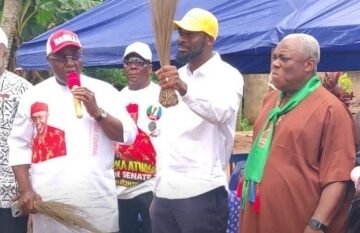
His ongoing constituency needs-assessment tour across the 108 wards in Abia Central, as described in the campaign account, adds another dimension to his engagement with the district. The consultations focus on community priorities, including roads, schools, water supply and youth unemployment.
Effective representation begins with listening. It requires understanding the everyday realities of communities and carrying their concerns into the institutions where decisions are made. A constituency is more than a collection of votes; it is a living tapestry of aspirations, challenges and possibilities.
As Abia Central considers its senatorial future, legislative experience, development priorities, accountability and commitment to constituents deserve careful consideration. The choice before voters presents an opportunity to reflect on the kind of representation they want and the future they hope to build.
For supporters of Rep. Emeka Atuma, his legislative experience, community engagement and development commitments form the basis of his appeal for the Abia Central Senate seat. Ultimately, voters will have to assess these claims alongside the records, proposals and public service credentials of other contenders before making their choice.
The broader question remains: what kind of leadership will best address Abia Central’s development needs and aspirations?
Ultimately, a name is an introduction; its lasting meaning is shaped by the service behind it and the responsibility that follows.

For publication of your news content, articles, videos or any other newsworthy materials, please send to famousreporters@gmail.com. For more enquiries, please call/WhatsApp: +2347034989575.