Ebola Outbreak: NCDC Tracks 54 Contacts as Nigeria Steps Up Surveillance
Nigeria’s Ebola response enters a critical phase as the NCDC identifies 54 contacts and continues searching for others who may have been exposed.
Nigeria has identified 54 primary contacts linked to its confirmed Bundibugyo Ebola case, with more than 40 in quarantine in Abuja and six monitoring themselves at home, according to the NCDC.
Nigeria’s Ebola response has entered a critical contact-tracing phase, with health authorities identifying 54 primary contacts linked to the country’s confirmed case. Although the patient has been evacuated to Switzerland for further medical care, the NCDC says surveillance must continue until everyone who may have been exposed is accounted for.
The Nigeria Centre for Disease Control and Prevention (NCDC) has identified 54 primary contacts linked to Nigeria’s confirmed Ebola case, including an e-hailing driver who transported the patient to a hospital in Abuja.
The agency disclosed this on Monday, October 26, as health officials intensified efforts to trace people who may have been exposed to the virus and prevent further transmission.
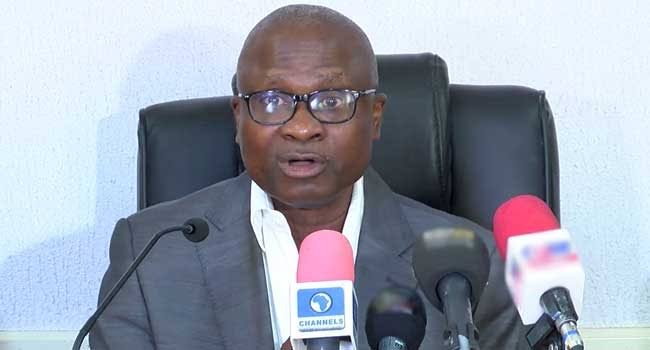
Speaking during an interview on Channels Television’s Politics Today, NCDC Director-General, Dr Jide Idris, said many of the identified contacts were in quarantine, while others were being monitored at home based on their assessed risk levels.
According to Idris, the newly identified contact was a driver who transported the index patient to the first hospital she visited. He explained that the information emerged during the ongoing investigation into the patient’s movements and possible exposures.
The development brings the number of primary contacts under follow-up to 54, highlighting the importance of tracing everyone who may have come into contact with the confirmed case.
Many Contacts in Quarantine
Idris said more than 40 of the identified contacts were in quarantine in Abuja, while six people considered to have a lower risk of infection were self-quarantining at home under medical supervision.
He explained that the home-based contacts were being monitored through regular telephone calls and temperature checks conducted in the morning and evening.
The surveillance measures are intended to help health officials detect possible symptoms early and respond promptly if anyone’s condition changes.
The NCDC chief also disclosed that three people who had undergone repeat testing returned negative results.
However, he stressed that the response was not yet complete, as the agency was still working to identify secondary contacts and establish the full extent of possible exposure.
“We are not out of the woods yet until we are sure that we have all the contacts, and they have been followed up,” Idris said during the interview.
Why Contact Tracing Remains Important
Although the confirmed patient has been evacuated from Nigeria, health officials say the country must continue monitoring people who may have been exposed before her transfer.
Contact tracing helps public health authorities identify individuals who may have had direct contact with an infected person, assess their risk, monitor their health and arrange testing where necessary.
Idris explained that people identified as contacts must be followed up during the virus’s incubation period, which can range from two to 21 days.
He added that the authorities would determine when individuals could be released from monitoring based on the outcome of their follow-up and the applicable public health protocols.
The agency is also working to identify secondary contacts — people who may have been exposed through the primary contacts — although their number was not yet established as of Monday.
NCDC Provides Emergency Guidance
The NCDC director-general urged Nigerians who develop symptoms or suspect that someone may have Ebola to seek assistance from public health authorities rather than ignore the warning signs.
He advised members of the public to contact the nearest public health facility or call the agency’s toll-free hotline on 6232, which he said was available around the clock.
The advice comes as health authorities continue to strengthen surveillance, investigate possible exposures and monitor individuals linked to the confirmed case.
Ebola symptoms can include fever, fatigue, muscle pain, headache, sore throat, vomiting, diarrhoea and, in some cases, unexplained bleeding. However, these symptoms can also occur in other illnesses, making professional medical assessment important.
Anyone who suspects exposure should contact health authorities promptly and follow their instructions.
NCDC Defends Nigeria’s Healthcare Capacity
Idris also rejected suggestions that the evacuation of the index patient to Switzerland amounted to a lack of confidence in Nigeria’s healthcare system.
He maintained that Nigeria had trained infectious disease specialists and health professionals with experience managing Ebola cases, including personnel who participated in the country’s response to the 2014 outbreak.
According to him, the authorities maintain a register of relevant experts who can be mobilised when necessary.
The NCDC chief explained that the Swiss government was responsible for arranging the air ambulance and that the evacuation followed a diplomatic request.
He also said the patient’s clinical condition had improved.
The evacuation followed the Federal Government’s confirmation of Nigeria’s first reported case of Ebola disease caused by the Bundibugyo virus on October 20, 2026.
How Nigeria’s Ebola Case Emerged
The confirmed case involved a 42-year-old woman with a recent travel history involving Uganda. According to the World Health Organization (WHO), she arrived in Nigeria on October 3, developed symptoms on October 7 and sought medical attention at a private health facility in Abuja on October 11.
The infection was confirmed by laboratory testing on October 20.
The WHO said investigations were continuing to establish the likely source of infection and reconstruct the patient’s full travel and exposure history.
Nigeria’s confirmation came amid a wider regional outbreak of Bundibugyo virus disease, which was declared in the Democratic Republic of the Congo in May 2026. Other countries in the region, including Kenya, also reported cases linked to the wider outbreak.
The development has prompted public health authorities to strengthen cross-border surveillance, case investigation and contact tracing.
As Nigeria continues its response, the NCDC says identifying all possible contacts and monitoring them appropriately remain essential to preventing further transmission.
With reference to Channels Television, the Nigeria Centre for Disease Control and Prevention, and the World Health Organization.
For publication of your news content, articles, videos or any other newsworthy materials, please send to famousreporters@gmail.com. For more enquiries, please call/WhatsApp: +2347034989575.