Access Bank and the Rebirth of the National Theatre: Revitalising Nigeria’s Cultural Future
.”From FESTAC ’77 to the Future: Access Bank and the Rebirth of Nigeria’s National TheatreReviving a National Icon: How Access Bank Is Reshaping Nigeria’s Creative Future”.”The revival of the National Theatre Lagos, driven by the Bankers’ Committee with Access Bank at the forefront, marks a turning point for Nigeria’s creative economy—blending heritage, innovation, and economic development to empower a new generation of African creatives.”
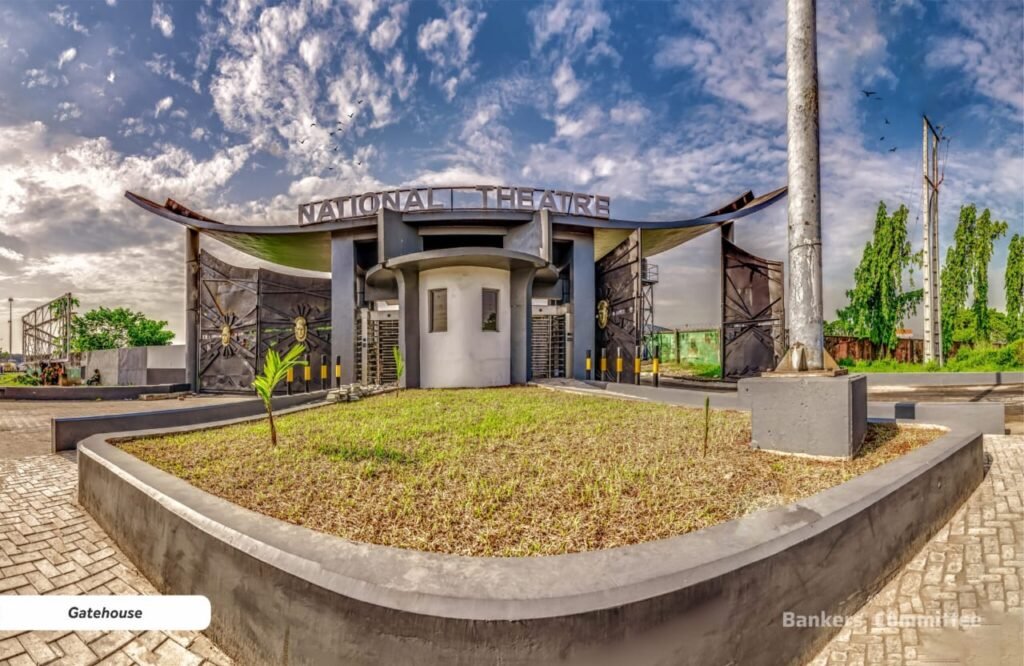
When the National Theatre, Lagos, opened ahead of FESTAC ’77, it stood as an architectural and cultural statement—an ambitious declaration of Nigeria’s readiness to project its artistic identity onto the global stage. Modelled after Bulgaria’s Varna Palace of Culture and Sports and constructed between 1973 and 1976, the complex was envisioned as Africa’s foremost cultural destination.
With a 5,000-seat main auditorium, expansive festival arena, exhibition halls, and advanced acoustics, the National Theatre quickly became the epicentre of Nigeria’s creative expression. From Hubert Ogunde’s landmark theatrical productions to international dance festivals, orchestral concerts, film premieres, and global conferences, the venue symbolised a thriving cultural nation.

However, by the early 2000s, years of inadequate maintenance, abandoned concession agreements, and ageing infrastructure had taken their toll. Once a beacon of national pride, the Theatre gradually slipped into decline, unable to meet contemporary creative and technical demands.
A STRATEGIC CULTURAL AND ECONOMIC INTERVENTION
Recognising both the cultural loss and the untapped economic potential, the Bankers’ Committee—led prominently by Access Bank—initiated what has become Nigeria’s most ambitious cultural infrastructure revitalisation project in modern history.
The intervention was as strategic as it was patriotic. Nigeria’s creative economy—spanning film, music, fashion, design, digital content, and cultural tourism—has emerged as a major contributor to GDP and global soft power. Yet, the industry lacked a central, world-class creative hub capable of supporting large-scale production, innovation, and international collaboration.
Reviving the National Theatre offered more than restoration; it presented an opportunity to stimulate employment, empower young creatives, attract foreign investment, and reposition Lagos as a continental creative capital.
ACCESS BANK AND A LONGSTANDING COMMITMENT TO CULTURE
For Access Bank, the project represents a natural extension of its longstanding commitment to Africa’s creative and cultural ecosystems. Long before Nigeria’s creative industries gained widespread global acclaim, the Bank had established itself as a cultural investor and ecosystem builder.
Through sustained partnerships with platforms such as ART X Lagos, Access Bank has helped elevate African contemporary art, support emerging talents, and connect creators with global collectors and institutions. The Bank’s footprint extends across film, music, literature, fashion, public art, sustainability initiatives, and youth-focused creative development.
In Nollywood and entertainment, Access Bank has supported festivals, documentaries, creative incubators, and youth storytelling initiatives—recognising culture as one of Nigeria’s most powerful global exports. The National Theatre revival, therefore, aligns seamlessly with the Bank’s broader vision of creative empowerment and cultural elevation.
Inside the National Theatre Renewal Project
The revitalisation is structured in two major phases.
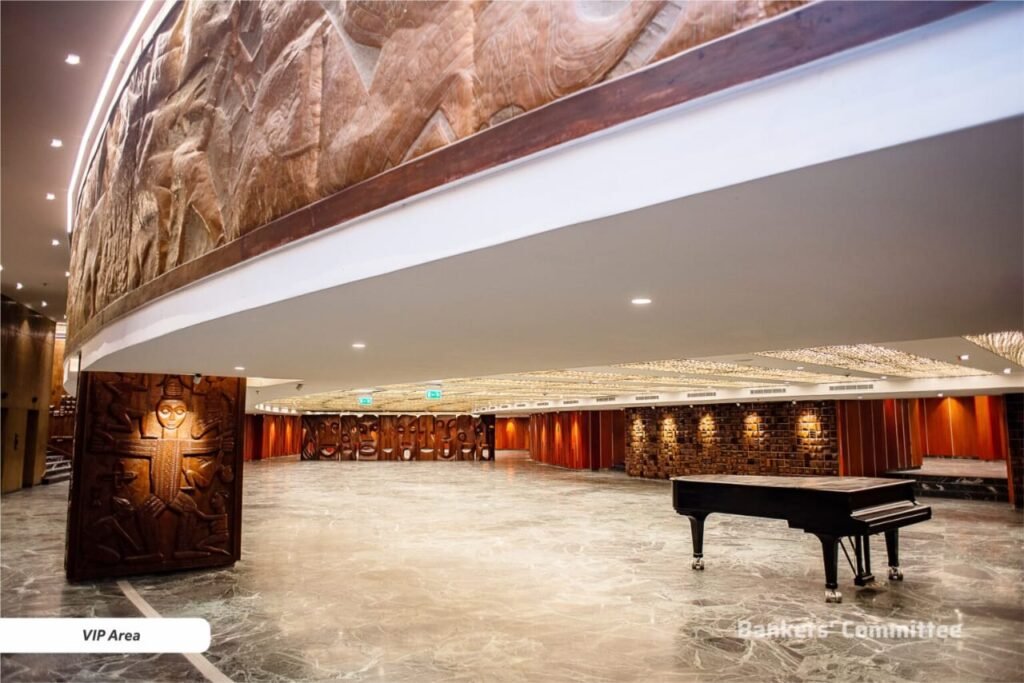
Phase One, now significantly advanced, focuses on restoring the original theatre complex. This includes modernising the main stage, cinema halls, exhibition spaces, seating, lighting systems, acoustics, ventilation, accessibility features, and backstage infrastructure—while preserving the Theatre’s historic architectural identity.
Phase Two introduces a purpose-built Creative Industries Park. This innovation district will house film and television studios, music recording facilities, fashion and design hubs, photography studios, gaming and IT centres, coworking spaces, and creative training academies. The hub is designed to serve thousands of young creatives annually, enabling them to collaborate, innovate, and scale globally competitive businesses.
Through Access Bank’s leadership within the Bankers’ Committee, the project has attracted international technical partners, institutional investors, and creative collaborators, positioning the Theatre as one of West Africa’s most significant cultural and economic catalysts.
INFRASTRUCTURE AS DESTINY
In an era where cultural exports drive global influence—from Afrobeats and Nollywood to digital art and fashion—creative infrastructure has become a strategic national asset. Nigeria’s youthful population continues to generate some of the world’s most consumed cultural content, yet systemic support has lagged behind the talent..
The revitalised National Theatre aims to change that narrative. It is envisioned as a launchpad for Nigeria’s next creative era—where heritage meets innovation, and artistic expression intersects with sustainable economic development.
By championing the rebirth of the National Theatre, Access Bank has once again positioned itself at the heart of Nigeria’s cultural renewal—bridging past and future, preserving national heritage, and building an ecosystem where creativity can thrive without limits.