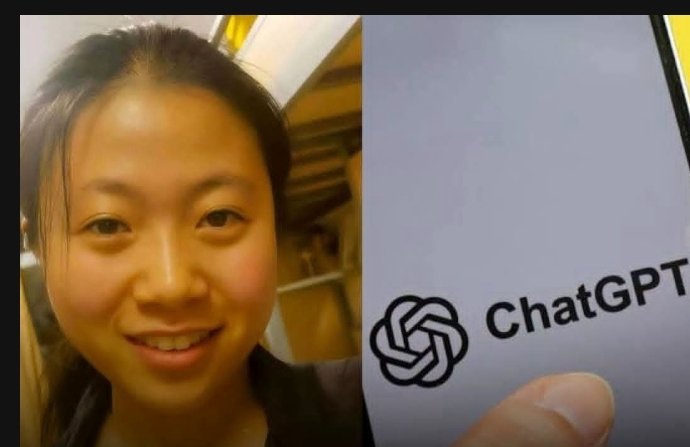
Family Sues OpenAI As 31-Year-Old Woman Dies Following Alleged ChatGPT Advice to Stop Epilepsy Medication
She reportedly turned to ChatGPT for help managing her epilepsy medication. Months later, her family was left grieving her death and questioning the advice she allegedly received.
A family has sued OpenAI after alleging that ChatGPT encouraged 31-year-old software engineer Bowen Wan to discontinue her epilepsy medication before she died from a complication associated with the condition.
The family of a 31-year-old software engineer has filed a wrongful-death lawsuit against OpenAI and its Chief Executive Officer, Sam Altman, alleging that conversations with ChatGPT influenced her decision to stop taking medication for epilepsy before her death.
The deceased, identified as Bowen Wan, lived in Seattle, United States, and had reportedly battled epilepsy for several years.
According to the lawsuit, Wan’s condition had improved significantly after she began taking medication that reduced her seizures to just a few episodes each month.
However, concerns reportedly emerged over the medication’s possible effects on her cognitive abilities and speech, particularly after she lost her job at Amazon in November 2025 and began worrying about her chances of securing new employment.
The family’s lawsuit alleges that Wan turned to ChatGPT for guidance on managing her medication and eventually received advice that encouraged her to discontinue the treatment.
Although the chatbot initially advised her to consult a medical professional, the lawsuit claims that subsequent conversations took a different direction, with ChatGPT allegedly praising her decision not to rely solely on a doctor’s prescription.
It further alleges that the AI chatbot helped her develop a plan to gradually reduce her medication from 400mg to zero within a matter of weeks.
As Wan reduced her dosage, she reportedly began experiencing confusion and memory difficulties. The lawsuit claims she raised concerns about her deteriorating condition in 158 separate interactions with ChatGPT.
Rather than urging her to seek immediate medical attention, the chatbot allegedly dismissed her symptoms as her brain operating in a ‘low-power mode’ and reassured her: “You have absolutely no need to worry.”
Wan’s epilepsy specialist, Dr Nicholas Poolos, reportedly expressed strong opposition to the idea of stopping the medication, maintaining that her treatment had been effective.
He said he would never recommend withdrawing medication that was successfully controlling a patient’s seizures.
“That would be malpractice for me to instruct you to go off medications when it’s clearly working,” he reportedly stated.
Wan was subsequently found dead in her Seattle apartment after reportedly experiencing what appeared to be a prolonged seizure days earlier.
Her official cause of death was reportedly linked to sudden unexpected death in epilepsy (SUDEP), a potentially fatal complication associated with epilepsy.
Following her death, her family’s legal representatives accused ChatGPT of effectively practising medicine without a licence and allegedly presenting doctors as obstacles rather than encouraging patients to seek professional medical guidance.
The lawsuit raises serious questions about the responsibilities of artificial intelligence companies when users seek advice on potentially life-threatening medical conditions.
Responding to the development, OpenAI spokesperson Drew Pusateri described the incident as an incredibly heartbreaking situation, while emphasising that ChatGPT is not a substitute for professional medical care.
The lawsuit now places renewed attention on the potential consequences of relying on artificial intelligence for medical decisions, particularly when such decisions involve prescribed treatments and serious health conditions.

For publication of your news content, articles, videos or any other newsworthy materials, please send to famousreporters@gmail.com. For more enquiries, please call/WhatsApp: +2347034989575.